
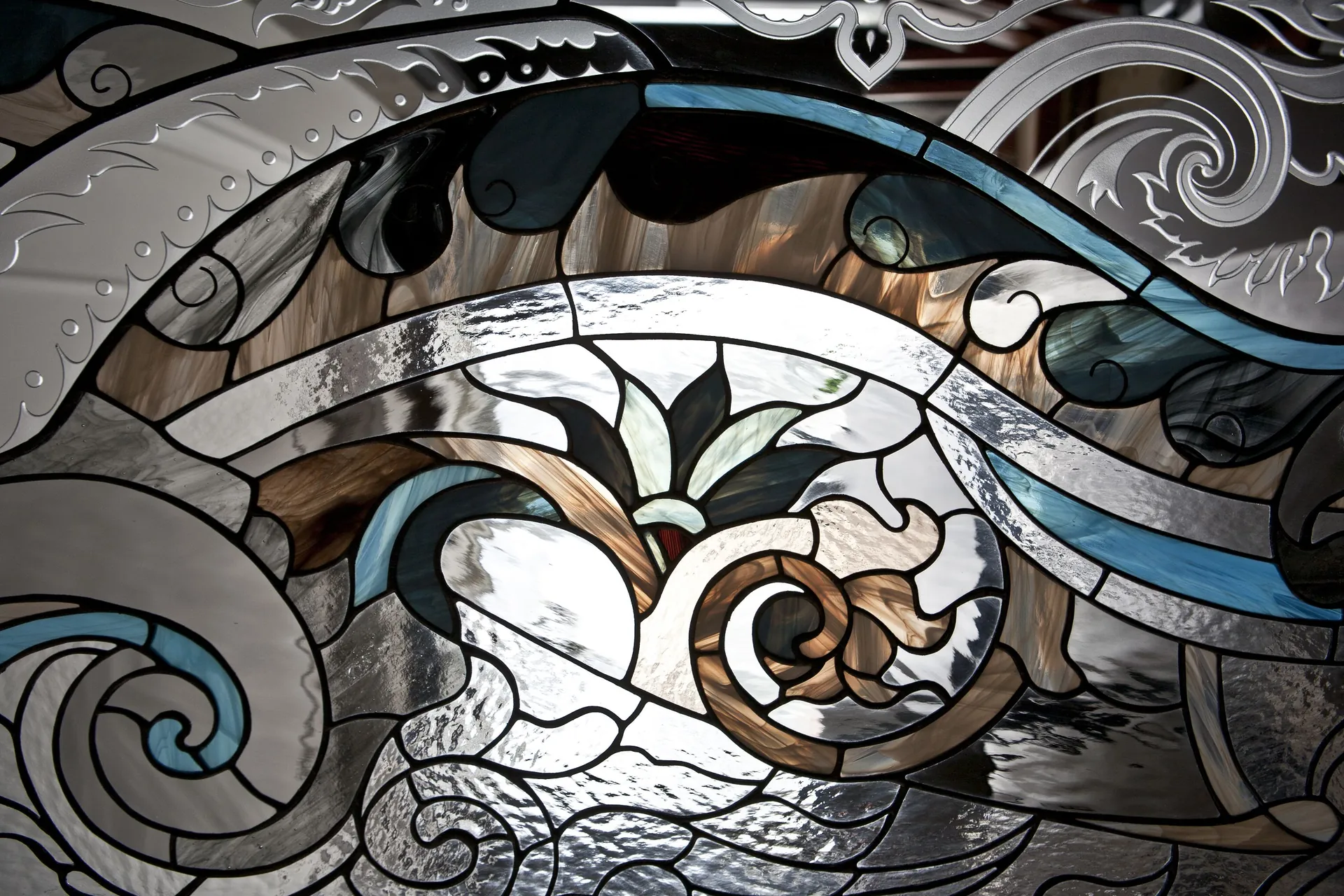
Stained Glass Windows
Leaded lights designed around the view, the orientation and the architecture — from a single landing pane to a full bay, new or lovingly restored.
- Formats
- Leaded lights, sealed units, inserts
- Techniques
- Leading, painting, etching
- Services
- Design, restoration, fitting
- Best for
- Stairs, landings, bays, front elevations
Designing for light
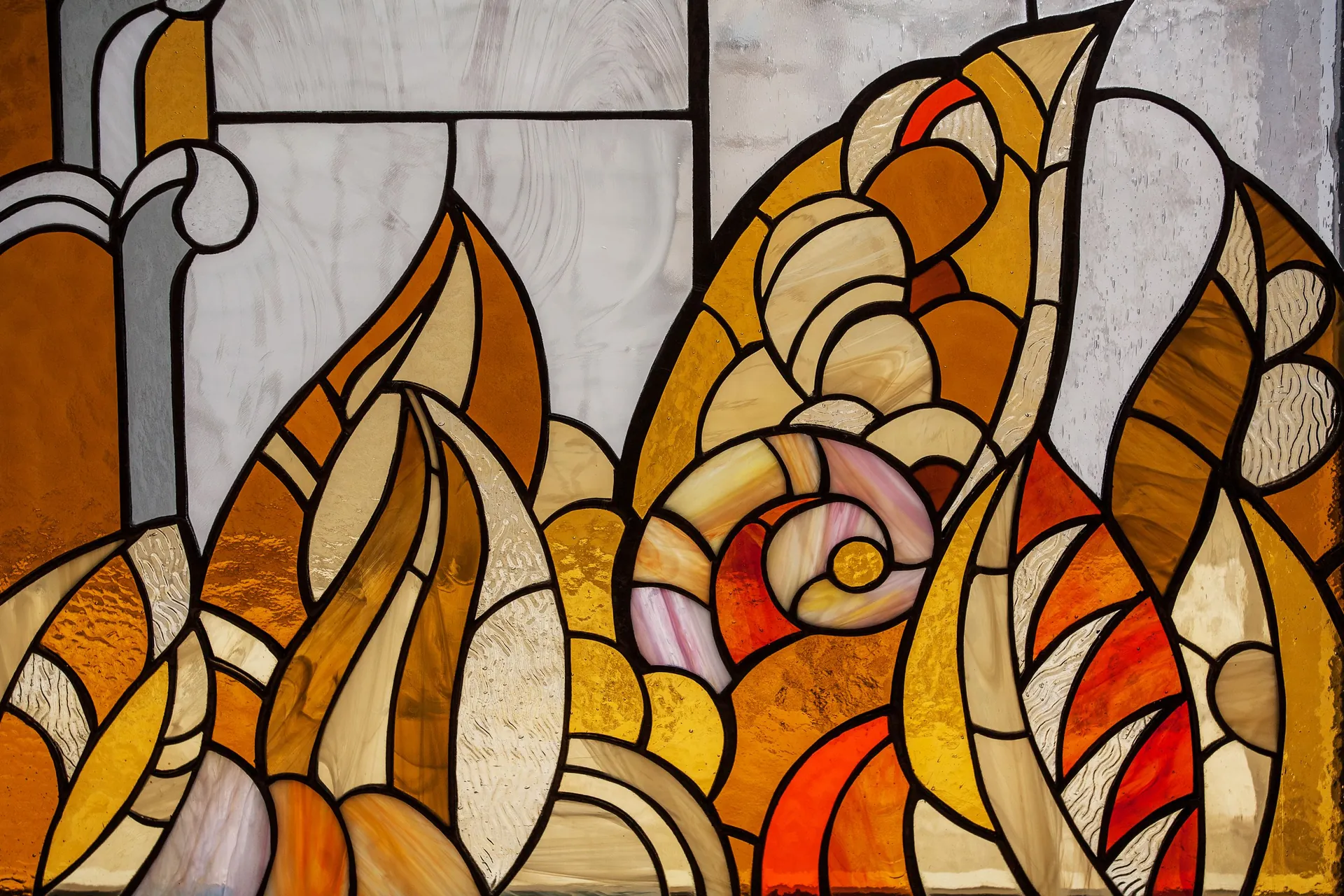
Every window faces somewhere, and that changes everything. A north-facing landing receives soft, even light, so we favour paler, warmer glass that glows rather than darkens. A south-facing stair window can carry deep, saturated colour that throws pools of red and blue across the treads in the afternoon.
We also think about what the window needs to hide and what it should frame. A border of colour with clear centre panes keeps the view of a garden; a fully pictorial design turns a neighbour's wall into a private landscape. Often the best answer is a mixture — obscure glass at eye level, colour and detail above.
Traditional leaded lights
A traditionally made leaded light is cut piece by piece, joined with lead came, soldered on both faces and cemented to make it rigid and weatherproof. Larger windows are strengthened with saddle bars tied to the lead, exactly as they have been for centuries.
Leaded panels can be fitted directly into timber or stone openings, or used as decorative inserts behind existing glazing. They are designed to be repaired: a broken piece can be replaced decades later without remaking the whole window.
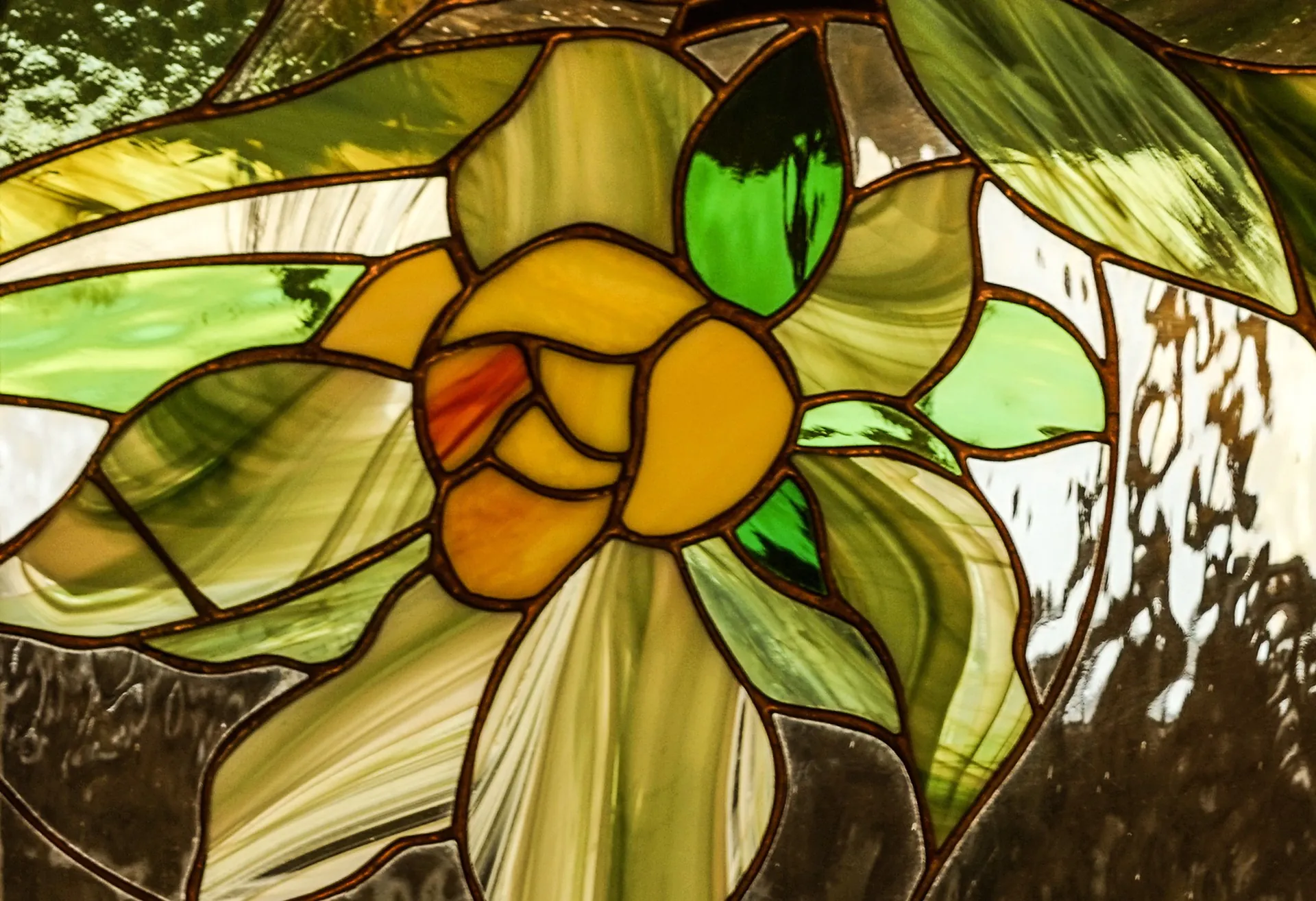
A stained glass window is the only artwork in the house that changes every hour of the day.
Stained glass in double glazing
Modern homes often need the thermal performance of double glazing. We can seal a leaded panel inside a double-glazed unit, with toughened or laminated glass on the outside and inside. You keep the depth and texture of real stained glass, while the unit insulates, resists impact and wipes clean like any other window.
This approach also suits conservation areas where the appearance of traditional glass matters, and homes where a decorative window is close to the floor or beside a door and therefore needs safety glazing.
Restoration and re-leading
Lead slowly fatigues and cement dries out. The signs are familiar: bulging panels, rattling glass, light showing along the lead lines, or water marks on the sill. When a window reaches that stage, we remove it carefully, take a rubbing to record every line, and dismantle it piece by piece.
Each sound piece of original glass is cleaned and reused. Cracked pieces are repaired or matched, the panel is rebuilt with new lead and cement, and it goes back into the opening flat and weathertight — ready for many more decades. For vulnerable windows we can add ventilated protective glazing on the outside.
Typical commissions
- Landing and staircase windows
- Bay and sash window inserts
- Encapsulated double-glazed units
- Re-leading and repair of period glass
Questions we are often asked
Will a stained glass window make my room darker?
It depends on the glass we choose. Pale cathedral glass, clear textures and generous clear areas let in plenty of light. We show you samples against your actual window so you can judge the effect before deciding.
Do I need permission to change windows in a listed building?
Changes to a listed building usually need listed building consent, and conservation areas can have their own rules. It is always worth checking with your local planning authority — we are happy to provide drawings and specifications to support an application.
How long will a re-leaded window last?
Properly made leaded glass lasts for many decades, and it is designed to be re-leaded again when the time comes, so the glass itself can outlive several generations.
Explore further
More of Our Craft

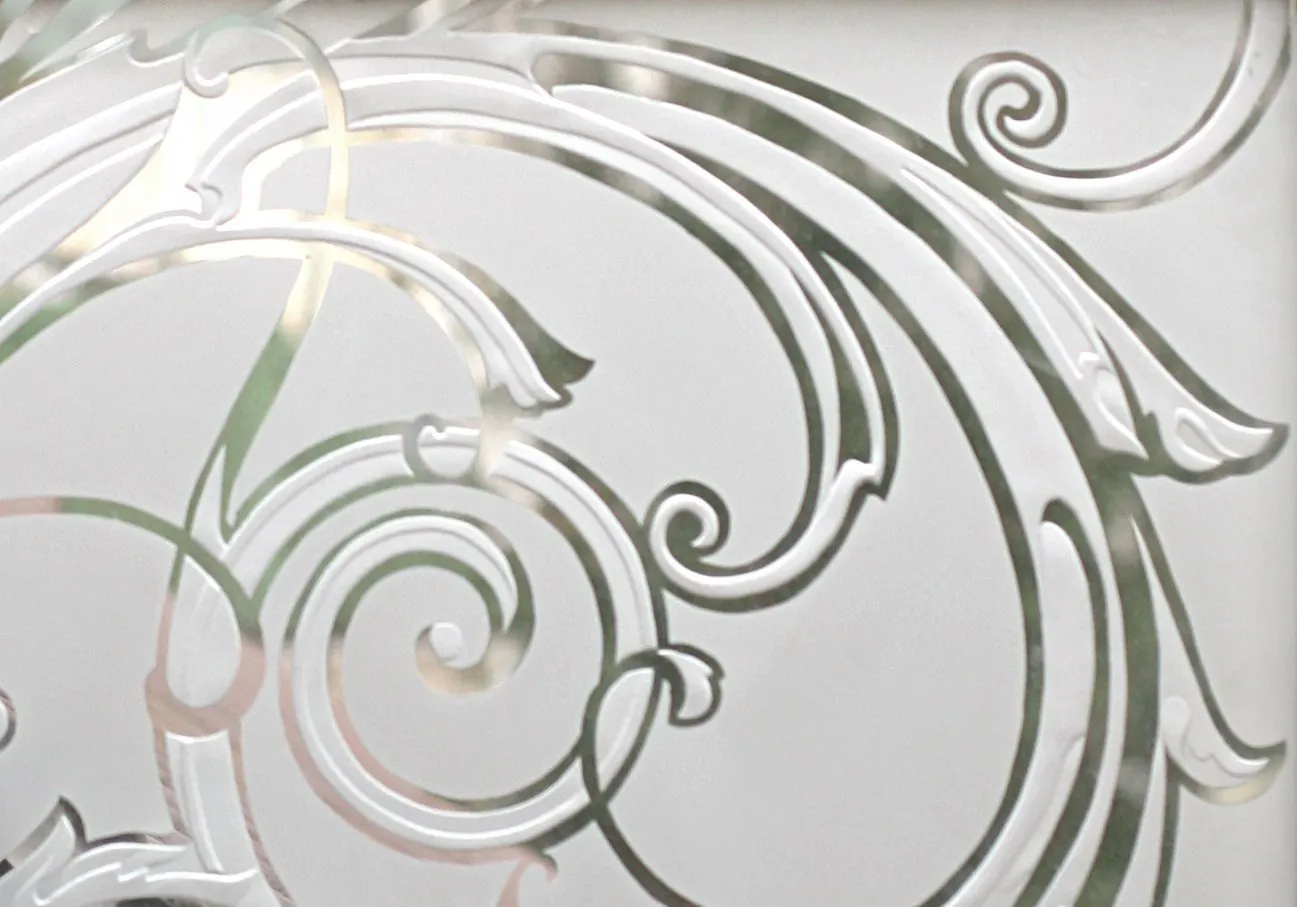

Every piece begins with a conversation
Bring colour into the light
Send us a photo of the opening and a few images you love. We will reply with ideas, glass samples and an individual quotation — no obligation.