What Shapes the Cost of a Stained Glass Window or Bespoke Glass Piece
“How much does a stained glass window cost?” is the question we hear most — and the honest answer is that it depends. Not as a way of avoiding the question, but because every commission is genuinely different. Two panels of exactly the same size can take very different amounts of time, glass and skill.
Here are the factors that shape the price of stained glass and bespoke glass made to order, so you know what to expect and how to plan.
1. Size — but not only size
Area matters, of course: more glass, more lead, more hours. But size is only the starting point. A large, simple panel can take less time than a small, intricate one.
2. Complexity of the design
Every separate piece of glass has to be cut, ground, fitted and soldered. A design with two hundred small pieces and tight curves takes far longer than one with forty straight-edged pieces. Fine detail, deep inside curves and narrow strips all add time — and increase the chance of breakage while cutting.
In stained glass, you are not paying for square metres. You are paying for decisions, cuts and hours at the bench.
3. Technique
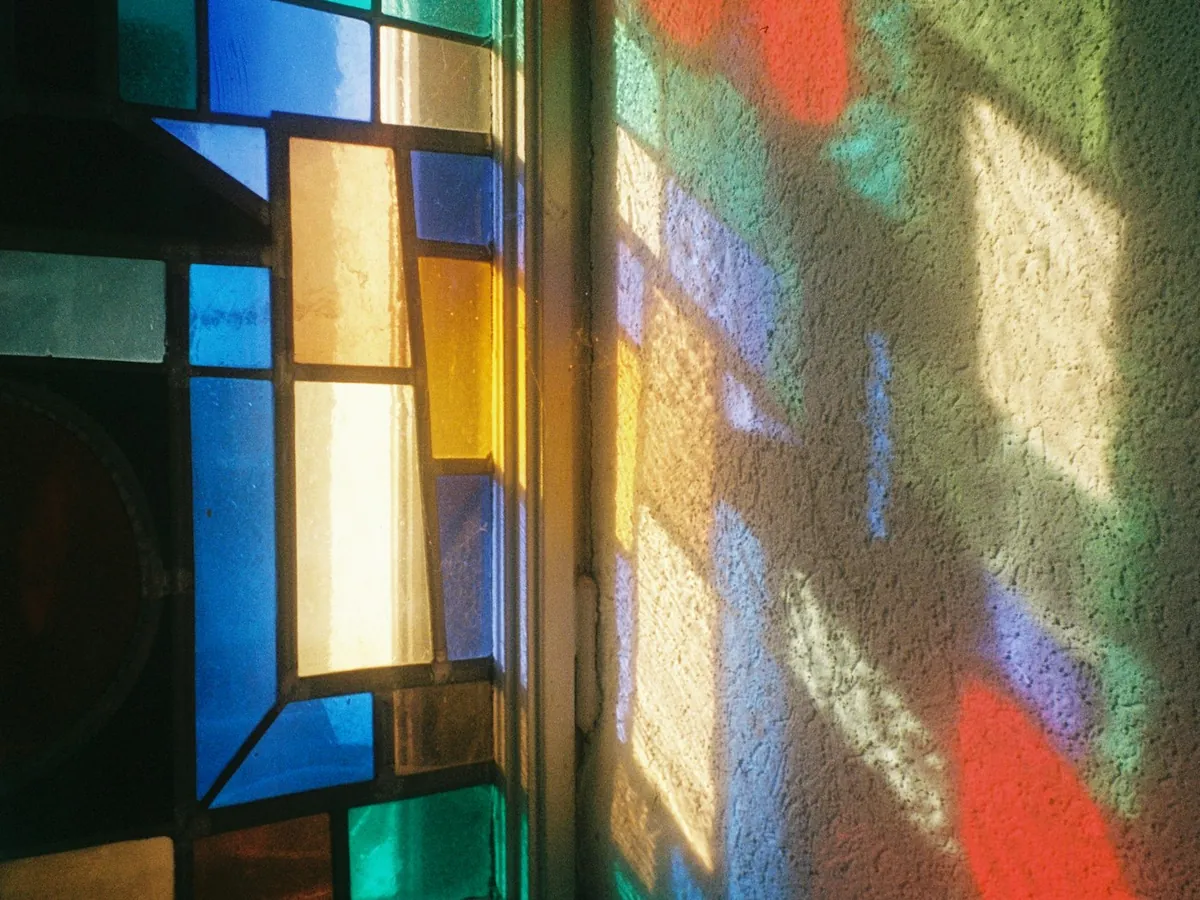
Traditional leading, copper foil, sandblasting, bevelling and kiln-fired painting each need different processes. Painted work in particular may go through several separate firings, with careful layering between each one.
4. The glass itself
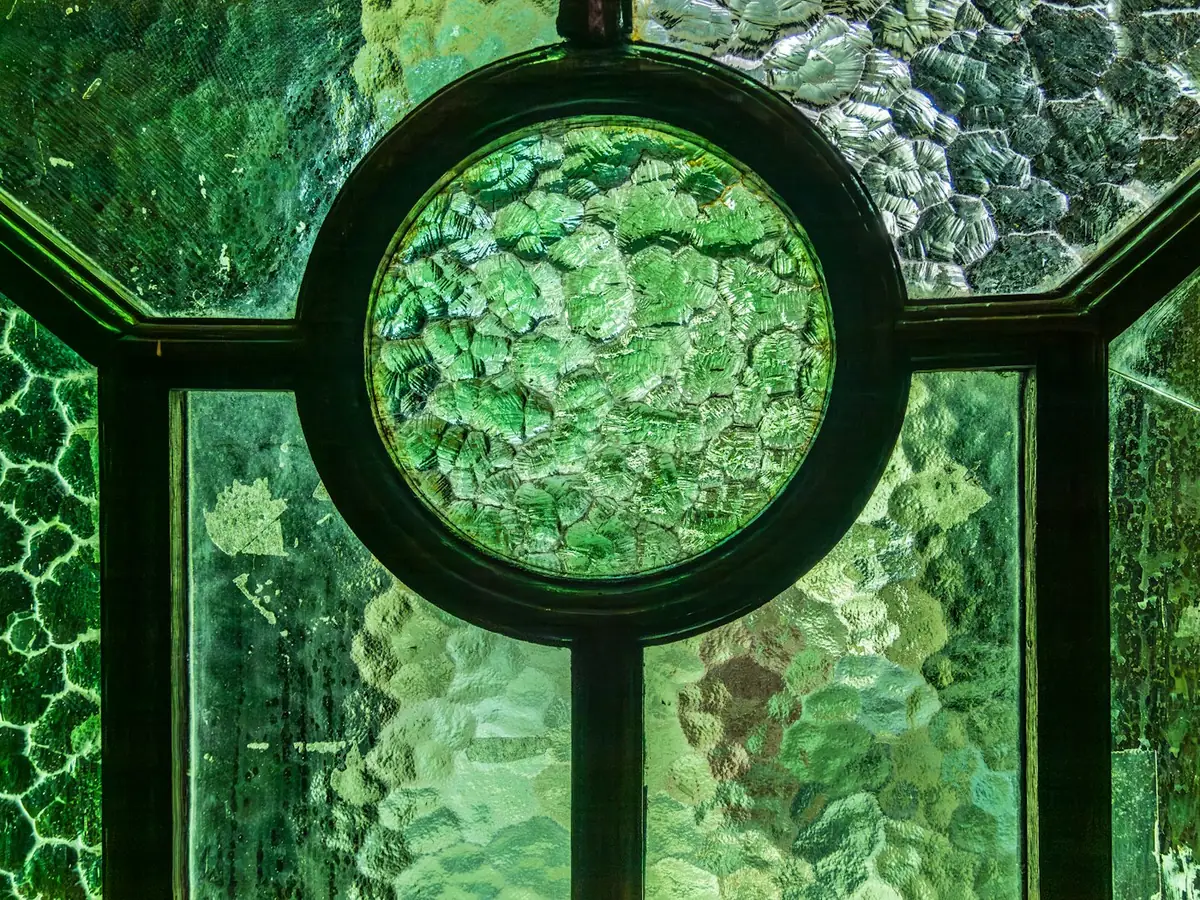
Machine-rolled cathedral glass, hand-rolled textures and mouth-blown antique glass are very different materials. Some colours — particularly certain reds and golds — are more costly to produce. We always show you samples so you can balance appearance and budget.
5. Safety and performance requirements
If the piece needs to be laminated, toughened, or sealed inside a double-glazed unit to meet regulations or improve insulation, those processes are part of the specification and part of the cost.
6. New work or restoration
Restoration is priced on condition. A panel needing a single cracked piece replaced is a very different job from a window that needs full re-leading, cleaning, matching of missing glass and new protective glazing.
7. Installation and access
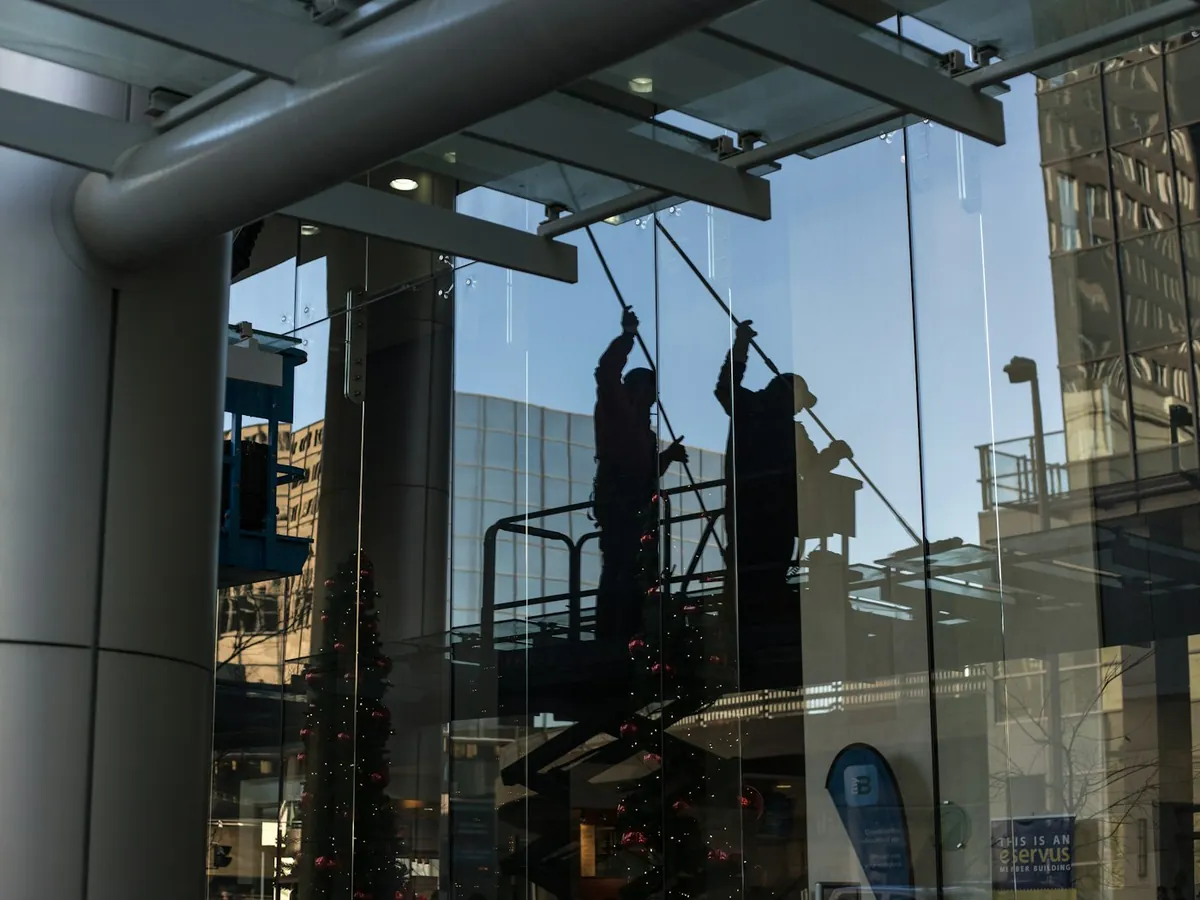
A ground-floor door panel is simple to fit. A high staircase window, a church window needing scaffolding, or a heavy ceiling lay light requires more people, equipment and planning. Listed buildings and conservation areas may also need consents and extra documentation.
8. Design time and approvals
A fully original design involves sketches, revisions and a full-size drawing. Commissions approved by a committee or a client panel usually involve more presentation stages.
9. Timescale
Most commissions fit comfortably into our schedule. If a piece has to be finished for a fixed date — an opening, a memorial service, a handover — let us know early so we can plan the work properly.
How to get an accurate quotation
- Photos of the opening and the room around it.
- Measurements, even approximate ones.
- Where the glass is: door, window, ceiling, partition, inside or outside.
- Images of styles and colours you like — and ones you do not.
- Your ideal timeline and whether installation is needed.
We do not publish a price list, because a price list would be wrong for almost every project. Instead, we prepare an individual quotation for each enquiry, with clear options if you want to compare techniques or glass.