How to Care for Stained Glass and Glass Features So They Stay Beautiful
Well-made glass can last for generations — some medieval windows are more than eight hundred years old. What shortens its life is rarely time; it is usually the wrong cleaning product or a small problem left too long. A few simple habits will keep your glass looking as it did on installation day.
Cleaning stained and leaded glass
- Dust first. Use a soft, dry brush or a clean microfibre cloth to lift loose dust before any water touches the glass.
- Use plain water. A cloth barely dampened with lukewarm water — ideally distilled in hard-water areas — is enough for most panels.
- Never spray directly. Liquid can creep under the lead and soften the cement that keeps the panel weathertight.
- Avoid ammonia, vinegar and abrasives. Acids and ammonia attack lead and putty; scouring pads scratch glass and can lift painted detail.
- Dry gently. Pat with a soft cloth rather than rubbing hard over lead lines.
The best cleaning product for stained glass is patience: soft cloth, plain water and a light hand.
Painted glass needs extra care
Kiln-fired paint is permanent, but historic paint can be fragile, especially on older windows. If you see paint lifting or flaking, stop cleaning that area and ask a conservator to look at it.
Lead is toxic. Wear gloves when cleaning leaded panels and wash your hands afterwards — especially before handling food.
Glass partitions and doors
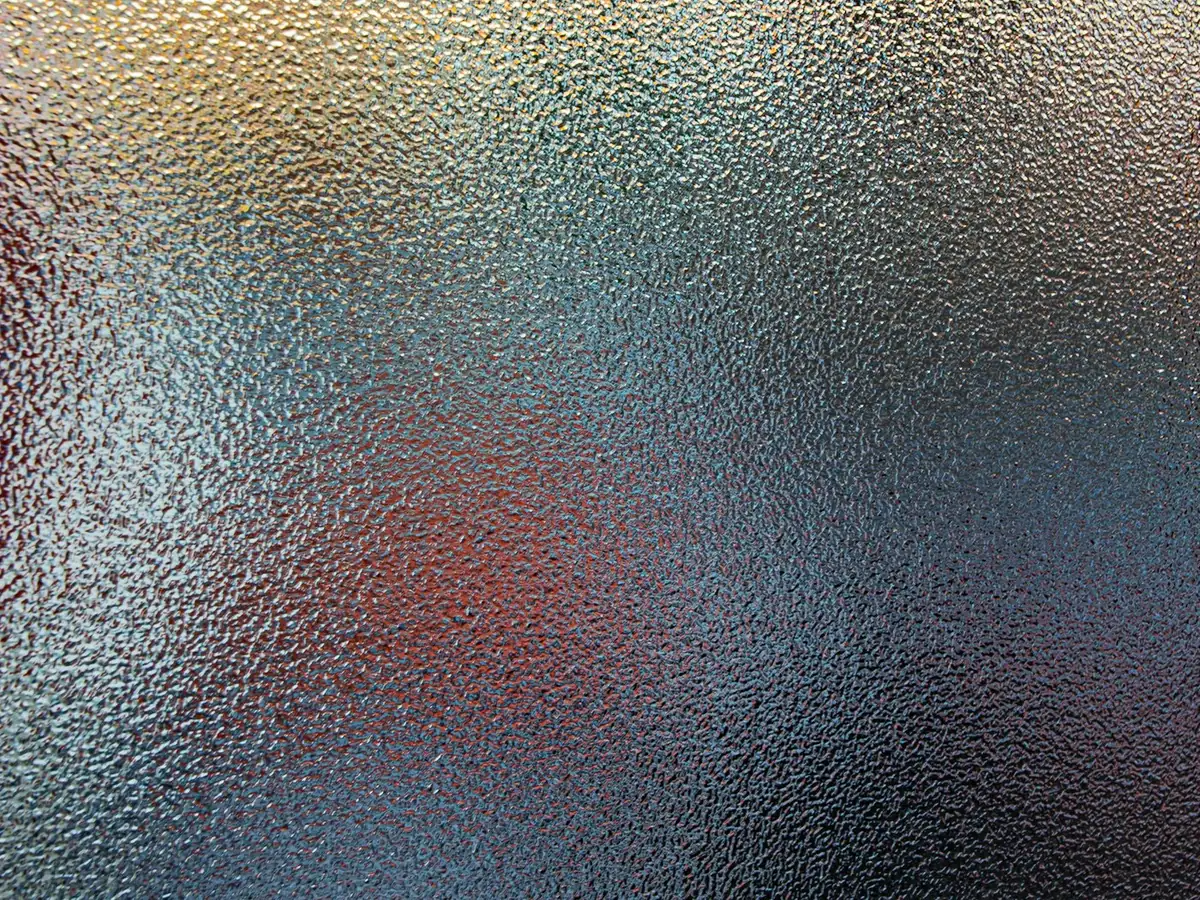
A pH-neutral glass cleaner and a microfibre cloth are all you need. Clean framed glass carefully along the edges so cleaner does not seep into seals. For etched or sandblasted surfaces, avoid oily or silicone-based products, which can leave dark marks on the frosted texture.
Shower screens and limescale
Hard water is common across much of England, and it leaves stubborn white marks on shower glass. The single best habit is a quick squeegee after every shower. Once a week, use a gentle limescale remover suitable for glass and rinse thoroughly. Many screens are supplied with an easy-clean coating; harsh products wear it away faster.
Mirrors
Spray the cloth, not the mirror. Liquid running down to the edge can reach the silvering and cause dark, spreading spots that cannot be reversed.
Signs a panel needs attention
- Bulging or bowing — the panel is no longer flat.
- Rattling when you tap the frame gently, or light showing around the lead.
- Cracked or missing pieces of glass.
- White powder along the lead lines or crumbling cement.
- Draughts or water marks on the inside sill.
None of these means the window is lost. Leaded glass is designed to be repaired, and early attention is far simpler than a full rebuild.
Protective glazing
For valuable or vulnerable windows, a sheet of protective glazing on the outside guards against weather, vandalism and impact. It must be properly ventilated so condensation cannot build up between the two layers. We can advise whether your window would benefit from it.
A simple seasonal routine
- Spring: gentle clean, check for movement and gaps.
- Autumn: check seals and putty before winter weather arrives.
- Every few years: a professional inspection for important or historic glass.
If something does not look right, send us a photograph. We are always happy to tell you whether it needs attention now, later, or not at all.